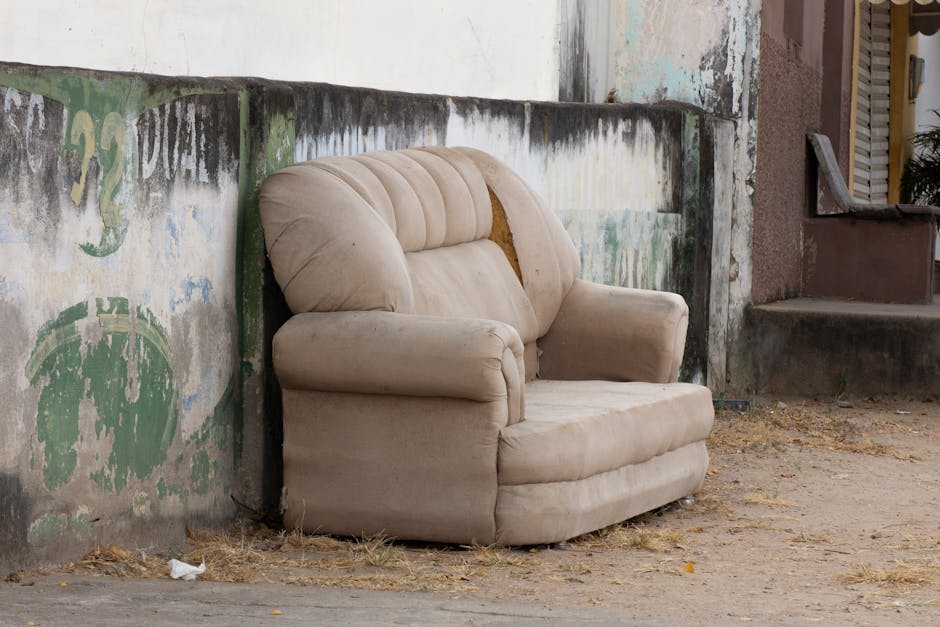
Finsbury Park sofa disposal and bulky rubbish clearance guide
If you are staring at an old sofa in a Finsbury Park flat, hall, garden or loading bay, you already know the problem. It is bulky, awkward, dust-collecting, and somehow always in the way. This Finsbury Park sofa disposal and bulky rubbish clearance guide breaks down the practical options, the usual pitfalls, and the smartest way to get furniture or mixed waste removed without turning your week into a saga.
We will look at how sofa disposal and bulky rubbish clearance typically works in North London, what affects cost and timing, how to prepare items for collection, and when a specialist clearance service makes more sense than trying to wrestle a three-seater down the stairs yourself. Because let's face it, nobody enjoys discovering a sofa will not fit round the landing bend at 7:30 on a wet Tuesday.
Whether you are clearing one item, several broken pieces of furniture, or a full flat's worth of clutter, the right approach saves time, reduces stress, and keeps you on the right side of local waste rules. Small job or big job, same principle: plan it properly and it becomes far less painful.
- Why it matters
- How the process works
- Key benefits
- Who this is for
- Step-by-step guidance
- Expert tips
- Common mistakes to avoid
- Tools and resources
- Law, compliance, and best practice
- Options and comparison
- Real-world example
- Practical checklist
- Conclusion
- Frequently asked questions
Why Finsbury Park sofa disposal and bulky rubbish clearance guide Matters
Sofa disposal sounds simple until you actually do it. In Finsbury Park, that usually means tight stairwells, shared entrances, limited parking, busy streets, and the occasional neighbour who is not thrilled about a mattress or armchair resting in the hallway "just for a minute". Bulky rubbish clearance matters because oversized waste is harder to move, harder to store, and easier to get wrong.
Old sofas also create practical issues. They can block access, attract dust, take up living space, and make a property feel unfinished even when everything else is tidy. If you are preparing for a move, a tenancy handover, decorating, or clearing a home after a long period of accumulation, getting rid of large furniture is often the step that unlocks the rest of the job.
There is also the environmental side. Sofas often contain mixed materials: wood frames, foam, springs, fabric, fixings, maybe even fire labels and old covers. A decent clearance process tries to separate what can be reused, recycled, or responsibly handled. That is better than dumping everything in a skip and hoping for the best, which, to be blunt, is not a plan.
For local residents, the guide is useful because the same item can be handled in different ways depending on access, quantity, condition, and urgency. A single two-seater in good condition is one thing. A damp corner sofa with a broken frame and three bags of associated clutter is another entirely.
Expert summary: the best disposal method is usually the one that matches your access, your timescale, and the item's condition. If those three things are not aligned, the job becomes slower and more expensive than it needs to be.
How Finsbury Park sofa disposal and bulky rubbish clearance guide Works
Most sofa disposal jobs follow a similar pattern, even if the exact service differs. First, you identify what needs removing. Then you check access, decide whether the furniture can be reused or should go as waste, and choose a collection method. After that, the items are loaded, transported, and taken to an appropriate transfer or disposal facility.
In practice, the process often starts with a rough description and a few photos. That helps the collection team understand size, number of items, floor level, and whether the furniture needs dismantling. A sofa on the ground floor with direct access is straightforward. A corner sofa on the fourth floor, with no lift and a narrow turn at the bottom of the stairs, is a different story. The work is still manageable, just more involved.
Bulk rubbish clearance usually covers more than one item. Think sofas, chairs, tables, cabinets, broken shelving, packaging, old rugs, or mixed household clutter. Some jobs are furniture-heavy, while others are a bit of everything. In Finsbury Park, that mix often comes from flat clearances, moves, refurbishments, or an end-of-tenancy clean-out where the pile seems to grow by the hour.
It helps to know the difference between a simple collection and a full clearance. A collection is usually item-based. A clearance may include sorting, moving items from multiple rooms, and removing both furniture and general bulky waste. If your job is bigger than "one sofa and done", a broader service is often the smoother choice. The paperwork, the lifting, the transport - it all becomes simpler when one team handles the lot.
For broader household jobs, related services like house clearance or home clearance can be a better fit than arranging separate removals. And if the job is mostly old furnishings, the dedicated sofa removal and furniture disposal options are often the most direct route.
Key Benefits and Practical Advantages
The obvious benefit is space. Once a bulky sofa leaves, the room changes immediately. You can move, clean, paint, or refurnish without constantly stepping around a hulking armrest. It is one of those jobs where the result feels bigger than the item itself.
Then there is convenience. A good clearance service does the lifting, loading, transport, and disposal in one go. That means fewer trips, fewer favours, and far less risk of nicked walls, strained backs, or the classic "we thought it would fit in the car" moment. Truth be told, sofas are very good at looking manageable until they meet a staircase.
Another practical advantage is flexibility. Many bulky rubbish jobs involve mixed waste rather than a single item. Maybe the sofa is joined by a broken coffee table, old boxes, a rug, and a couple of bags from a cupboard clean-out. A flexible clearance service handles that mix much more efficiently than arranging multiple separate collections.
There is also peace of mind. Responsible removal reduces the chance of fly-tipping, missed collections, or waste being left in communal areas. In a place as busy as Finsbury Park, that matters. Nobody wants their old three-seater becoming a minor neighbourhood landmark outside the block.
Here is a quick practical view of the main advantages:
| Benefit | Why it helps | Typical situation |
|---|---|---|
| Space back quickly | Clears rooms for living, selling, or decorating | Before a move or tenancy checkout |
| Less physical effort | Reduces lifting and awkward manoeuvring | Large sofa in a top-floor flat |
| Handles mixed waste | One visit can remove several bulky items | Furniture plus bags and odd bits |
| Cleaner process | Less risk of leaving waste in communal areas | Blocks, terraces, shared entrances |
Who This Is For and When It Makes Sense
This guide is for anyone in Finsbury Park who needs to get rid of bulky items without fuss. That includes private tenants, landlords, homeowners, estate agents, letting teams, shop owners, and people clearing a property after renovation or refurbishment.
It is especially useful if:
- you have a sofa that will not fit in a lift or car;
- you need to clear a flat before handover;
- you are replacing furniture and need the old items gone fast;
- you have several large pieces, not just one;
- you cannot safely move the item yourself;
- you want one collection to cover mixed bulky waste.
For example, a one-bedroom flat may only need a single sofa removed before new tenants move in. A family house, on the other hand, might need a broader clearance: a sofa from the lounge, a mattress upstairs, two wardrobes, and a pile of garage bits nobody has looked at in years. Different job, different approach.
This is also relevant if you are trying to tidy a space quickly for photography, staging, or rental marketing. In those cases, timing matters. You usually want the item gone before the next person walks through the door, not a week later after a chain of messages and missed lift times.
If you are in nearby areas as well, local services across Finsbury Park, Holloway, and Harringay can often be coordinated around similar access challenges and traffic patterns.
Step-by-Step Guidance
Here is a practical way to handle sofa disposal and bulky rubbish clearance without making it harder than it needs to be.
- Identify everything you want removed. Be specific. One sofa? Two armchairs? Associated bags? The clearer the list, the better the plan.
- Check access. Look at doors, stairs, lifts, parking, entry codes, and whether anything needs dismantling. A quick five-minute look can save a lot of faffing later.
- Separate reusable items from waste. If the sofa is clean and usable, that affects where it may go. If it is damaged, sagging, stained, or broken, it is probably waste.
- Take photos. Good photos help estimate size and access. A picture of the sofa, the front door, and the stairs can be surprisingly useful.
- Decide whether you need item removal or full clearance. If there is also clutter in cupboards, the loft, or the hallway, a wider clearance may be more efficient.
- Book a time that suits the property. Think about neighbours, parking pressure, and whether someone needs to be present to grant access.
- Clear the route. Move smaller objects out of the way so the team can work safely and quickly.
- Confirm what happens after collection. Responsible disposal should include transport to an appropriate facility rather than a casual dump-and-run approach.
A simple example: if your sofa is on the second floor and there is a bike, plant stand, and shoe rack in the hallway, make space before collection day. It sounds obvious, but that tiny bit of preparation often saves more time than you would expect.
For jobs involving mixed waste or building leftovers, it is worth considering related services such as rubbish clearance, rubbish removal, or builders waste if there are renovation offcuts, packaging, or broken materials in the pile.
Expert Tips for Better Results
Small decisions make a big difference here. The following tips are the sort of things people only learn after doing a few of these jobs, or after one very annoying first attempt.
Tip 1: Measure before you book. Sofa dimensions matter more than most people think. Measure the width, depth, and height, but also measure the narrowest parts of the route out. The item might fit the room and still fail at the front door.
Tip 2: Photograph awkward spots. If there is a tight corner, low ceiling, or steep step, show it. You do not need a glossy photo shoot. A quick phone snap does the job.
Tip 3: Bundle related items together. If you already have a sofa leaving, add other bulky items that are ready to go. One efficient visit is usually better than three separate ones.
Tip 4: Keep children, pets, and valuables out of the work area. The movers need a clear route. So do you. It is one less thing to watch.
Tip 5: Think about timing around neighbours. In shared blocks, early mornings or late evenings can be awkward. A sensible slot keeps everyone happier.
Tip 6: Ask what happens to usable items. If something can be reused, it may be handled differently from damaged waste. That distinction can matter for both efficiency and disposal method.
Tip 7: Do not underestimate weight. A sofa looks soft and harmless. Then you try to pivot it, and suddenly it is all frame, spring tension, and regret.
If you want a better sense of service quality and how licensed teams normally operate, it can help to read about licensed rubbish removal in North London. That sort of detail matters more than people first assume.
Common Mistakes to Avoid
Most problems with bulky rubbish clearance come from rushing. A sofa is rarely the issue by itself; it is the assumptions around the sofa that cause the headache.
Leaving access until the last minute. If the team cannot get the item out easily, the job takes longer. Sometimes much longer. Check parking, gates, lifts, and door widths early.
Forgetting about extra waste. People often quote for "just the sofa" and then mention three extra chairs on arrival. That changes the load and can change the plan too.
Assuming every item can be taken the same way. Furniture, white goods, general clutter, and renovation debris may need different handling. Mix them carefully and be clear about what is included.
Ignoring safety. It only takes one awkward lift or one loose step to turn a simple removal into a bad day. If the item is too heavy or the route is tight, get help.
Not checking disposal standards. Responsible removal is not just about taking the item away. It is about taking it somewhere appropriate afterwards. That distinction matters.
Booking too late. If you need the room cleared for a delivery, tenancy checkout, or decorating job, do not leave the collection to the final afternoon. Things have a funny way of running late.
A quieter mistake is not asking enough questions. If you are unsure whether your sofa can be removed with the rest of the junk, say so early. A decent provider would rather know beforehand than discover it in the doorway.
Tools, Resources and Recommendations
You do not need much to prepare for sofa disposal, but a few basics make the process smoother.
- Measuring tape: useful for sofa size, door widths, and stair turns.
- Phone camera: good photos save back-and-forth messages.
- Gloves: handy if you are moving smaller items first.
- Sticky notes or labels: useful if some items are staying and some are going.
- Clear route to the exit: not really a tool, but absolutely essential.
For larger or more mixed jobs, related pages such as waste clearance, waste removal, and waste disposal can help you match the right service to the job size.
If your clearance includes rooms full of furniture and household items, flat clearance or furniture disposal may be a better fit than a simple one-item collection. And if you are dealing with a mix of storage clutter and bulky odds and ends, garage clearance can be useful as a supporting service idea, even if the load is not literally from a garage.
Practical recommendation: if you are unsure whether your job is a "sofa removal" or a "full rubbish clearance", describe the biggest item first, then list everything else. That simple habit makes quoting and planning a lot cleaner.
Law, Compliance, Standards, or Best Practice
Waste disposal in the UK is not something to treat casually. You do not need to become a legal expert to clear a sofa, but you do need to be sensible about who removes it and where it goes. In practice, that means using a proper service, checking that waste is handled responsibly, and avoiding anyone who suggests dumping items somewhere unofficial. That is not clever, just risky.
For householders, the main best-practice point is simple: make sure your bulky waste is passed to a legitimate collector or disposal route. If a collection seems suspiciously cheap or vague, ask yourself why. Who is loading it? Where is it going? That little pause can save a lot of trouble later.
If you are a landlord, letting agent, or business owner, the duty of care around waste becomes even more important. Keep a record of who collected the items, what was removed, and when. You do not need a dramatic filing system. A sensible note and basic job details are often enough to show the waste left your hands properly.
For commercial properties, office furniture or mixed business waste may need a different approach. Services such as business waste and office clearance are more appropriate when the sofas are part of a workplace fit-out or a wider premises clearance.
Best practice also includes safety on site. Clear access, protect walls where possible, and avoid dragging heavy furniture across communal floors if it can be lifted safely instead. Common sense, really. The kind that is not always as common as people hope.
Options, Methods, or Comparison Table
There are several ways to deal with a sofa in Finsbury Park. The right one depends on condition, urgency, access, and how much else needs removing. Here is a straightforward comparison.
| Method | Best for | Pros | Watch out for |
|---|---|---|---|
| Single-item removal | One sofa or one bulky item | Quick, focused, usually simple to arrange | May not suit mixed waste or large clearances |
| Bulk rubbish clearance | Several large items or mixed waste | Efficient for combined loads | Needs clear item list and access details |
| Full property clearance | Flat, house, or office contents | Handles bigger jobs in one visit | More planning required |
| DIY disposal | People with a van, time, and lifting help | Can work for small, simple loads | Parking, transport, and lifting risks |
| Reuse or donation route | Good-condition sofa | Potentially extends item life | Collection criteria can be strict |
In real life, many people blend options. A sofa may go out with a clearance service, while a good-condition chair or lamp gets kept for another room. That mixed approach is often the most sensible one. No need to make every item part of the same decision.
If your job is mostly domestic and you want a simple, broad service, rubbish collection and rubbish removal are good reference points. If the items are all household furniture, the dedicated sofa removal page is the more precise match.
Case Study or Real-World Example
A typical Finsbury Park scenario goes like this. A tenant is moving out of a third-floor flat. There is a worn two-seater sofa in the living room, two small tables, a broken bookcase, and a few bags of mixed clutter that were meant to be sorted "next weekend" and somehow never were. The hallway is narrow, and the building has shared access.
The first sensible step is not lifting anything. It is checking access and measuring the sofa against the route out. In this case, the sofa fits through the doorway, but the landing turn is tight, so the removal needs a careful two-person lift. Photos are sent, the item list is confirmed, and the team arrives with the right setup rather than guessing on the spot.
On arrival, the route is cleared, soft furnishings are moved aside, and the furniture is taken out in stages. The sofa is removed first because it is the awkward one. The smaller items follow. The job is finished without damage to walls, and the flat is ready for cleaning that same afternoon.
What did this avoid? A failed DIY attempt, a blocked hallway, and the classic last-minute scramble before checkout. That is the point, really. The best clearance jobs often look uneventful because the planning was done properly. Quiet success. Very underrated.
The same approach works for similar local areas too, especially where access is tight or parking is awkward. A job in Highbury, Stroud Green, or Manor House can present the same mix of stairs, shared entrances, and time pressure.
Practical Checklist
Use this simple checklist before collection day. It will save you time, and probably a headache or two.
- Measure the sofa and note any detachable parts.
- Check door widths, stair turns, lift size, and access codes.
- List every item that needs to go.
- Separate keep, donate, and remove piles.
- Take clear photos of the item and access points.
- Move small obstacles out of the route.
- Confirm parking or loading arrangements if needed.
- Make sure someone can provide access if required.
- Ask how the waste will be handled after collection.
- Keep pets and children away from the moving area.
If you are doing a broader tidy-up, it can also help to pair sofa disposal with waste collection or a wider waste clearance plan so that all the awkward stuff goes in one go.
Quick reassurance: if the job feels messy, that is normal. Most bulky rubbish jobs start as a messy pile and end as a clean room. That is literally the point.
Get a free quote today and see how much you can save.
Conclusion
Getting rid of an old sofa in Finsbury Park does not need to become a full-day ordeal. Once you understand the access, the item type, and whether you are dealing with a single piece or a wider load, the job becomes much more manageable. That is the heart of a sensible sofa disposal and bulky rubbish clearance plan: know what you have, choose the right method, and avoid last-minute improvisation.
The best results come from small details - a measured doorway, a clear route, the right photos, and a realistic idea of what needs removing. Handle those well and the rest usually follows. Simple, not easy. But simple enough.
If you are ready to clear space, move on with the decorating, or just stop living around an old sofa that has overstayed its welcome, the next step is straightforward. Make the list, check the access, and book the right kind of removal. Then enjoy the room again. Funny how much lighter a place feels when the bulky stuff is finally gone.
Frequently Asked Questions
How do I dispose of a sofa in Finsbury Park?
The easiest way is usually to arrange a sofa removal or bulky waste collection, especially if the item is large, heavy, or awkward to move. Measure access first and be clear about the sofa's size and condition.
Can a bulky rubbish clearance take more than just a sofa?
Yes. Many clearance jobs include mixed bulky items such as chairs, tables, shelving, rugs, and bags of clutter. It is better to list everything upfront so the collection can be planned properly.
What if my sofa is on the top floor?
That is common in London flats. Top-floor access usually just means more care, better planning, and possibly a two-person lift. Share stair and doorway details before booking.
Is it better to book sofa removal or a full clearance?
If you only have one item, sofa removal may be enough. If there are several bulky items or household clear-out pieces, a full clearance is usually more efficient and less fragmented.
Can I leave a sofa outside for collection?
Not unless the collector has clearly told you to do so and the arrangement is suitable. Leaving bulky waste in communal areas or on the pavement without proper planning can create problems.
What happens to my old sofa after collection?
That depends on its condition and the service used. Usable items may be handled separately from damaged waste, while broken furniture is typically sent through an appropriate disposal route.
How much notice do I need to give?
That depends on availability and job size. Simple collections can sometimes be arranged quickly, while larger clearances benefit from more notice, especially if access is tight or parking is limited.
What should I measure before the collection day?
Measure the sofa itself, the doorway, stair turns, hallway width, and any lift size if relevant. The item may fit the room and still get stuck on the way out. It happens more than people think.
Can you remove other rubbish at the same time?
Usually yes, as long as you describe it clearly. Mixed loads are common in bulky rubbish clearance, especially when a sofa removal is part of a bigger tidy-up.
Do I need to move the sofa myself?
Not necessarily. Many people choose a clearance service precisely because they do not want to move heavy furniture through stairs or tight corridors themselves.
What is the main mistake people make with bulky furniture disposal?
The biggest mistake is underestimating access. The second biggest is forgetting the extra items that always seem to appear once the sofa is already booked for removal.
Is bulky rubbish clearance suitable for landlords and letting agents?
Yes, especially when a property needs to be turned around quickly. It is useful for end-of-tenancy situations, furniture left behind, and wider property clean-outs.
What should I do if my sofa is still in good condition?
If it is clean and usable, it may be worth exploring reuse rather than disposal. If you are not sure, describe its condition when you book so the right route can be discussed.
Can sofa disposal be combined with other services?
Often yes. Depending on the job, it may make sense to combine it with home clearance, rubbish collection, or waste removal so the whole space is dealt with in one visit.